

Introduction: Compassionate Dentistry for Every Ability
Special care dentistry is a patient-centered approach designed for people whose physical, developmental, medical, cognitive, or emotional needs make traditional dental visits difficult. It’s built on dignity, patience, and collaboration between the patient, caregivers, and the dental team.
If you’re reading this, you may be a parent, adult child, spouse, guardian, or healthcare coordinator searching for answers. You’ve probably run into some real barriers: sensory overload in a typical office, mobility challenges, communication differences, or a history that made past visits difficult. Those experiences are valid, and they don’t mean quality dental care is out of reach. Finding the right special needs dentist can change everything about how the next visit feels.
This guide walks through what special care dentistry actually is, who it helps, the accommodations and sedation options available, how caregivers can prepare, how to find a qualified provider, and what to expect around insurance and long-term planning. The aim is to help you feel informed, respected, and hopeful about what’s possible.
What Is Special Care Dentistry?
Special care dentistry is a recognized field of dental practice that provides oral health services for individuals with physical, developmental, medical, cognitive, or emotional conditions that require an adapted approach to care. Recognized by the Special Care Dentistry Association (SCDA) and supported by the American Dental Association (ADA), it blends clinical expertise with behavioral, environmental, and communication accommodations.
The philosophy is person-first. Rather than asking a patient to fit into a standard appointment, the visit is shaped around the individual. That may mean a longer chair time, a quieter room, a familiar caregiver at the side, or a treatment plan built in smaller, achievable steps.
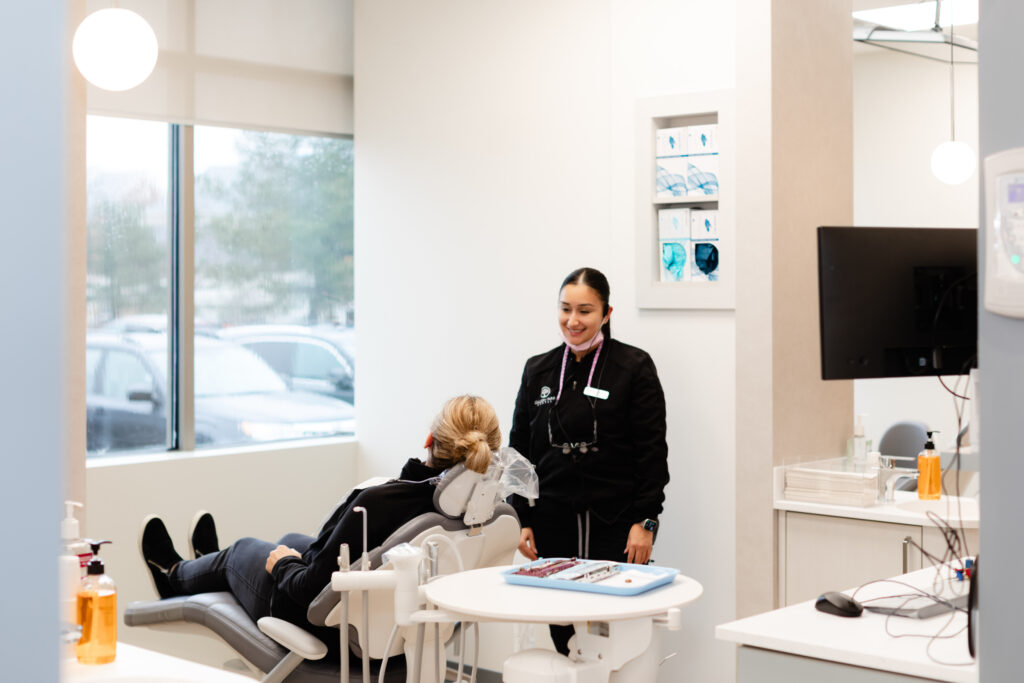
Special care dentistry fits within modern dental care as a natural extension of preventive, restorative, and cosmetic services. The tools and treatments are the same. The difference is how they’re delivered. At Gallery Park Family and Pediatric Dentistry, this person-first approach shapes how our team plans every visit. new patient information
Who Benefits from Special Care Dentistry?
Special care dentistry serves a broad range of children and adults, including:
- Individuals with developmental or intellectual disabilities, such as autism spectrum disorder, Down syndrome, or cerebral palsy
- Adults living with progressive conditions like dementia, Alzheimer’s disease, Parkinson’s disease, or multiple sclerosis
- Medically complex patients, including those undergoing cancer treatment or managing heart disease, bleeding disorders, or organ transplants
- People with significant dental anxiety or a trauma history that makes routine visits overwhelming
- Wheelchair users and patients with limited mobility who need accessible operatories and safe transfer options
- Individuals with sensory processing differences who benefit from a calm, predictable environment
Many families find their way to special care dentistry through local disability advocacy groups, school support networks, or referrals from a pediatrician or primary care physician. You aren’t alone in this search, and there’s a community ready to help.
How Special Care Dentistry Differs from General Dentistry
General dentistry and special care dentistry share the same clinical foundation. The differences show up in training, timing, and team approach.
- Advanced training and behavioral expertise. Our dentists pursue additional education in behavior guidance, medical complexity, and communication strategies.
- Extended appointment times and flexible scheduling. Visits are paced to the patient, with quieter times of day often available.
- Trauma-informed and sensory-aware protocols. Lights, sounds, smells, and touch are all considered, and consent is revisited throughout the visit.
- Team-based collaboration. The dental team works alongside caregivers, physicians, therapists, and case managers to coordinate safe, effective care.
The result is a visit that feels less like a clinical procedure and more like a partnership. pediatric dentistry
Common Accommodations and Techniques
Every patient is different, so accommodations are tailored. Here are approaches you’ll commonly see in a well-run special needs dentist’s office:
- Desensitization and pre-visit tours so the patient can meet the team, sit in the chair, and explore the room before any treatment happens
- Sensory-friendly rooms with dim or adjustable lighting, weighted blankets, noise-reducing headphones, and reduced visual clutter
- Visual schedules, social stories, and communication aids to preview each step and give the patient a way to signal comfort or a pause
- Wheelchair-accessible operatories with safe transfer techniques or treatment provided directly in the wheelchair
- Tell-show-do and positive reinforcement, walking through each instrument and technique before it’s used, and celebrating small wins along the way
- Caregiver presence during the exam and treatment whenever it helps the patient feel secure
These aren’t add-ons. They’re part of how a good special care practice works, and they’re standard for the families we serve in our community.
Sedation and Anesthesia Options Explained
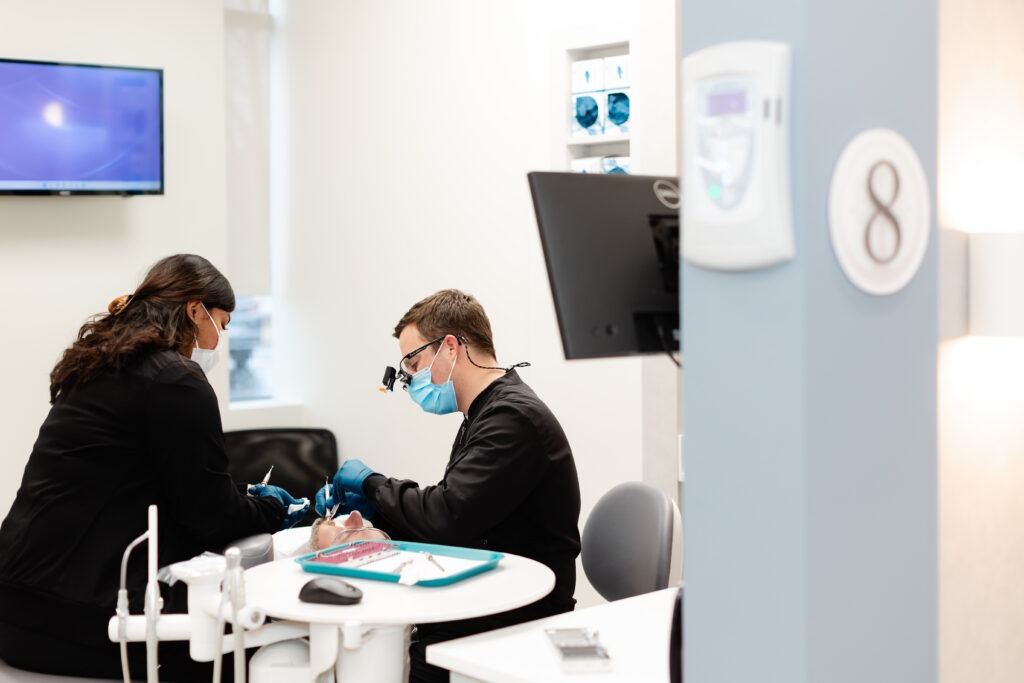
Sedation dentistry in special care uses medication to help patients relax or sleep through treatment when awake care isn’t a good fit. Options range from mild nitrous oxide inhaled through a small nose piece, to oral conscious sedation, to IV sedation with continuous monitoring, and finally general anesthesia in a hospital or surgical center for the most complex cases.
| Option | Best For | How It’s Given | Recovery |
|---|---|---|---|
| Nitrous oxide | Mild anxiety, shorter procedures | Inhaled through a small nose piece | Wears off within minutes; patient can usually resume normal activity |
| Oral conscious sedation | Moderate anxiety or sensory sensitivity | A prescribed pill taken before the visit | Several hours of drowsiness; caregiver transport required |
| IV sedation | Deeper relaxation for longer or more complex care | Medication delivered through an IV, with continuous monitoring | Rest for the remainder of the day; caregiver transport required |
| General anesthesia | Extensive treatment or when other options aren’t safe or effective | Hospital or surgical center setting with an anesthesiologist | Full-day recovery with medical follow-up |
The right choice depends on medical history, the treatment needed, and the patient’s comfort. Our dentists, trained in behavior guidance and sedation protocols, review every medication, condition, and prior sedation experience before recommending an approach, and monitor vital signs throughout the visit. sedation dentistry
How Caregivers Can Prepare for a Dental Visit
A little preparation makes a big difference. Use this checklist before the first visit:
- Share the full medical picture. Send medical history, current medications, allergies, sensory triggers, and behavioral supports in advance so the team can plan.
- Bring comfort items and communication tools. Favorite blanket, headphones, fidget items, an AAC device, or a familiar toy can all help.
- Practice at home. Mock exams with a toothbrush, mirror, and gentle counting can build familiarity with the sequence.
- Plan transportation and downtime. Schedule quiet time before and after the visit, especially if sedation is involved.
- Confirm consent and guardianship documents. If you’re a legal guardian or power of attorney, bring the paperwork so decisions can be made without delay.
- Ask about a pre-visit tour. Many practices, including Gallery Park Family and Pediatric Dentistry, welcome a walk-through visit before any treatment begins.
Write down your questions ahead of time. You know the patient best, and your input shapes the plan.
Finding a Special Care Dentist Near You
Start with these resources:
- The Special Care Dentistry Association (SCDA) directory, which lists members who focus on this area of practice
- Referrals from pediatric dentists, especially for teens and young adults preparing to transition to adult care
- Dental schools and hospital-based dental programs, which often serve medically complex patients and offer sedation or general anesthesia options on site
- Local disability advocacy organizations and support groups, which frequently maintain lists of trusted providers
When you contact a practice, consider asking:
- What training does your team have in special care dentistry?
- Do you offer desensitization visits and sensory accommodations?
- What sedation options are available, and how are they monitored?
- Is your office wheelchair accessible, including the operatories and restrooms?
- How do you coordinate with physicians, caregivers, and other providers?
A thoughtful answer to each of these tells you a lot about the culture of the practice.
Does Insurance Cover Special Care Dentistry?
Coverage varies widely, so it helps to know what to look for.
- Medicaid adult dental benefits differ by state. Some states cover comprehensive services, others cover only emergencies, and a few offer expanded benefits for adults with disabilities. Check your state’s Medicaid dental policy.
- Medicare generally doesn’t cover routine dental care, though there are limited exceptions for medically necessary procedures tied to another covered condition. Medicare Advantage plans sometimes include dental benefits.
- Private insurance typically covers standard preventive and restorative services. Hospital-based dentistry may be billed under medical benefits rather than dental, which can change what’s covered and how.
- Nonprofit and sliding-scale resources, including dental school clinics and community health centers, can help when out-of-pocket costs are a concern.
For families in our community without traditional insurance, some practices offer an in-house wellness plan that covers preventive visits and provides discounts on other services. It’s worth asking.
Building a Long-Term Oral Health Plan
One successful visit is a great start. Long-term oral health comes from a steady, coordinated plan.
- Adapt daily hygiene. Caregivers can use adaptive toothbrushes, three-sided brushes, floss holders, and mouth props to make home care easier. A hygienist can demonstrate techniques tailored to the patient.
- Set the right recall interval. Higher-risk patients may benefit from cleanings every three or four months rather than every six.
- Plan transitions early. Teens with special healthcare needs benefit from a gradual handoff from pediatric to adult special care dentistry, ideally starting in the mid-teen years.
- Coordinate with the broader care team. Share updates with physicians, behavioral therapists, and case managers so oral health stays connected to overall health.
Over time, consistency, clear communication, and a trusted dental home lead to fewer emergencies and better outcomes.
Frequently Asked Questions
Who qualifies as a special needs dental patient? Anyone whose physical, developmental, medical, cognitive, or emotional condition requires an adapted approach to dental care. That includes children and adults with disabilities, medically complex patients, individuals with dementia, and those with significant dental anxiety.
Is sedation safe for patients with medical conditions? Sedation can be very safe when the dental team reviews the full medical history, coordinates with the patient’s physicians, and chooses the right level of sedation for the situation. Higher-risk patients are often treated in a hospital setting with an anesthesiologist for added safety.
Can special care dentistry be done in a regular office? Often, yes. Many special care patients receive treatment in a standard office that offers sensory accommodations, extended visits, and sedation options like nitrous oxide or IV sedation. More complex cases may be referred to a hospital-based program.
How much does special care dentistry cost? Costs vary based on the treatment, sedation type, and setting. Office-based care is often comparable to standard dental fees, while hospital-based general anesthesia adds facility and anesthesia charges. Ask for a written estimate and confirm what insurance will cover.
Does insurance cover hospital-based dentistry? Sometimes. Hospital-based dental care may be billed under medical insurance when general anesthesia is medically necessary, though dental services themselves are usually billed to dental insurance. Coverage depends on your specific plan and diagnosis, so verify benefits in advance.
If you’re looking for a compassionate, experienced team close to home, our office is here to help. Reach out to Gallery Park Family and Pediatric Dentistry to learn more about our special care dentistry services and how we can support your family.