
Two of the most requested cosmetic treatments solve very different problems. Teeth whitening changes the color of your natural teeth. Veneers change their shape, surface, and color all at once. People often arrive asking for one when the other is the better fit, so it helps to understand what each treatment actually does before you decide.
Here is a straightforward comparison, and how a Glenview cosmetic dentist helps you land on the right choice for your smile.
What Each Treatment Does
Professional Teeth Whitening
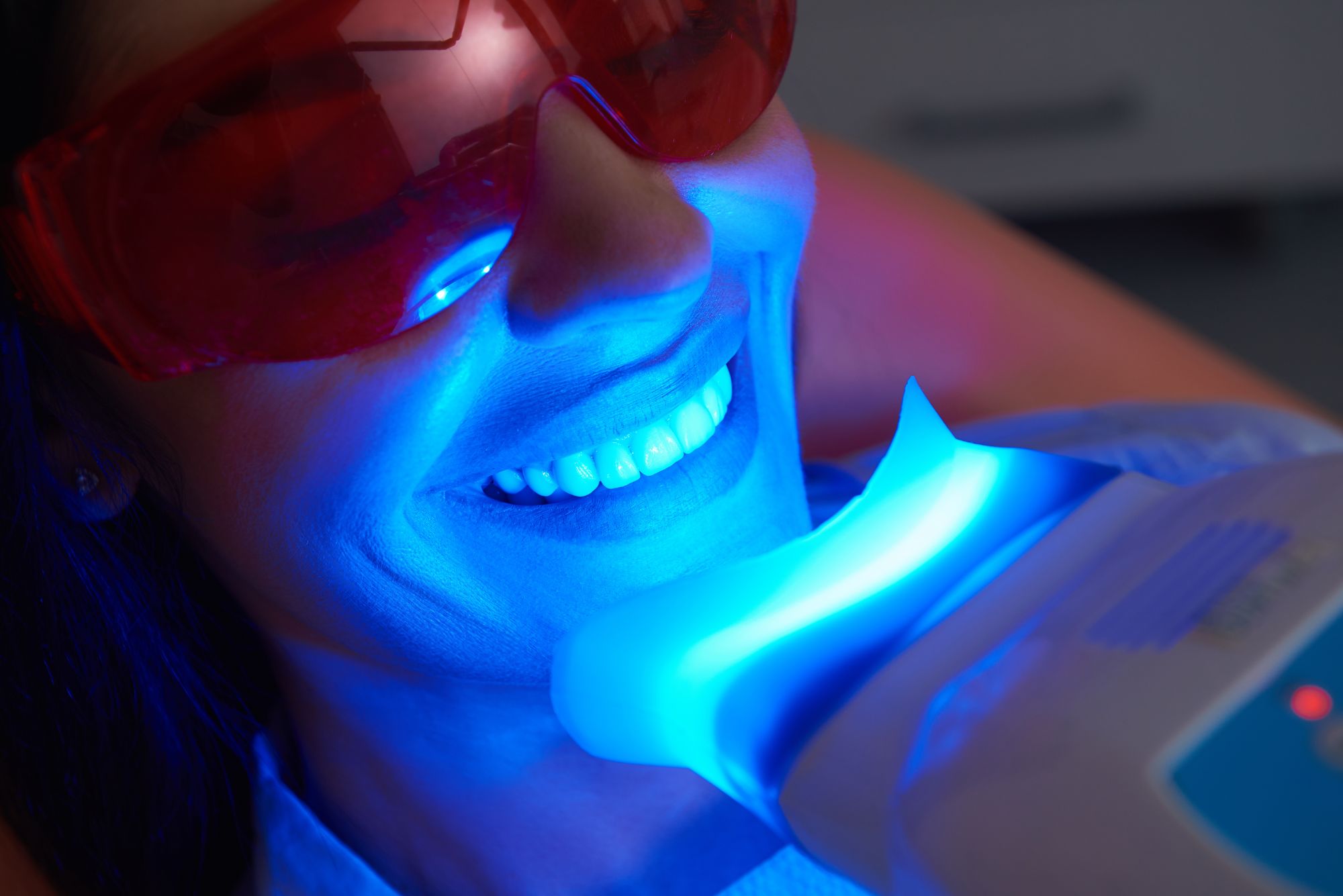
Whitening lifts stains from within and on the surface of your natural enamel, brightening teeth that have darkened from coffee, tea, red wine, or simple aging. Professional teeth whitening uses a stronger, dentist-supervised formula than store-bought strips, and a custom take-home tray system lets you reach an even, predictable shade. It is the most conservative cosmetic option because it changes nothing about the tooth itself, only its color.
Porcelain Veneers
Veneers are thin shells of ceramic bonded to the front of your teeth. Because they cover the visible surface entirely, porcelain veneers address more than color: chips, worn edges, small gaps, mild misalignment, and discoloration that does not respond to whitening. The porcelain reflects light like natural enamel, so the result looks like your own teeth, only refined.
How They Compare
The Problem They Solve
If your teeth are healthy and well shaped but simply darker than you would like, whitening is usually all you need. If you are also dealing with chips, uneven edges, gaps, or stains that resist whitening, veneers handle those issues that whitening alone cannot reach.
How Long Results Last
Whitening results are excellent but not permanent. Teeth pick up new stains over time, so most people refresh their shade periodically with their take-home trays. Veneers are far more stain resistant and, with good care, last many years before they need replacing.
How Involved the Treatment Is
Whitening is non-invasive and reversible in the sense that it changes nothing structural. Veneers involve preparing the tooth surface so the porcelain can be bonded, which makes them a longer-term commitment. That difference is often the deciding factor.
Can You Combine Them?
Frequently, yes. Many smiles benefit from whitening the natural teeth first, then placing veneers on a few front teeth that need shape correction, with the veneers matched to the newly brightened shade. This is a common pairing within a broader cosmetic plan. If you are weighing several changes at once, our overview of what a smile makeover involves shows how treatments are sequenced together. Straightening with Invisalign is sometimes added when alignment is part of the goal.
How to Decide
The honest answer is that the right choice depends on your teeth and what you want to change, which is exactly what a consultation sorts out. Your dentist examines your enamel, looks at the shape and condition of each tooth, and listens to your goals before recommending whitening, veneers, or a combination. When you are ready, the team at our Glenview office can help you map the simplest path to the smile you want.
Frequently Asked Questions
What is the difference between veneers and teeth whitening?
Teeth whitening changes only the color of your natural teeth, lifting stains to brighten your shade. Porcelain veneers are thin ceramic shells bonded to the front of the teeth, which change shape, surface, and color together and can correct chips, gaps, and stains that whitening cannot.
Can I get both veneers and whitening?
Yes. A common approach is to whiten the natural teeth first, then match any veneers to that brighter shade. Combining the two lets you brighten your whole smile while correcting the shape of specific front teeth.
How long do veneers and whitening results last?
Whitening results fade gradually as teeth pick up new stains, so most people refresh periodically with take-home trays. Veneers are highly stain resistant and, with good care, last many years before replacement.
Which option is right for me?
It depends on whether your concern is color alone or also shape and surface. A consultation with your dentist is the most reliable way to decide, since the recommendation is based on the condition of your teeth and your specific goals.